SEC vs UK Cyber Reporting Deadlines: 7 Critical Differences
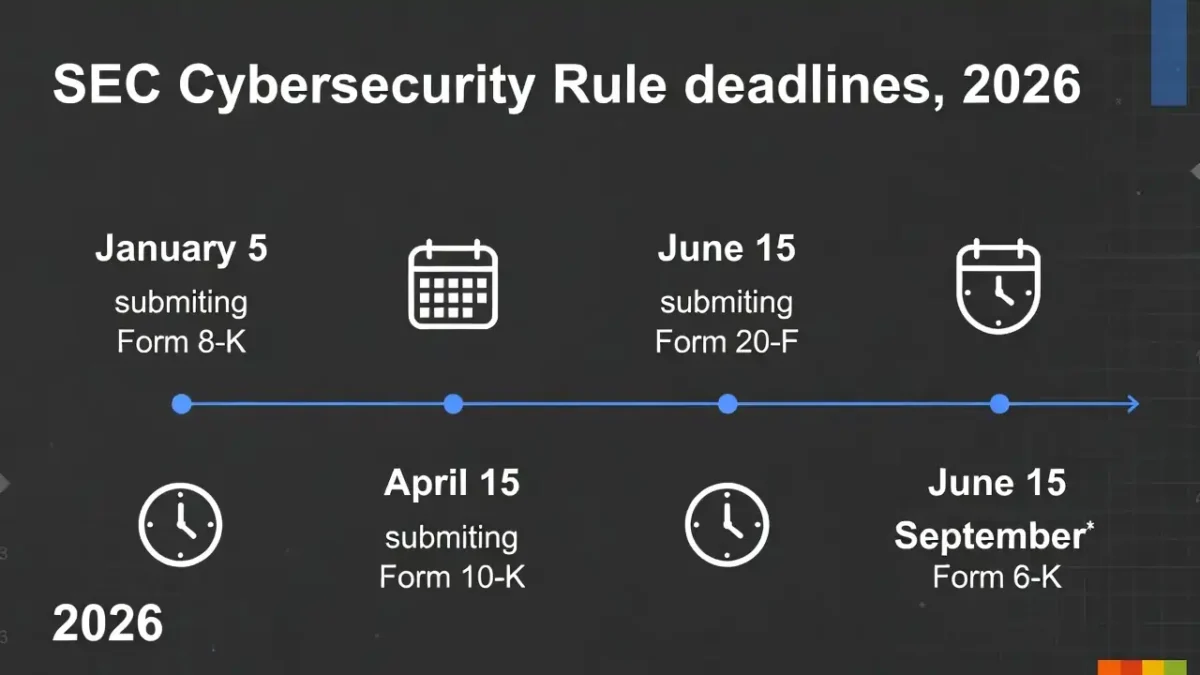
SEC vs UK Cyber Reporting Deadlines have become a central compliance issue for multinational organizations in 2026.
Cyber incidents now trigger strict legal disclosure obligations in both the United States and the United Kingdom. While both jurisdictions emphasize transparency and speed, the regulatory triggers, timelines, and reporting standards differ in important ways.
For CISOs, legal teams, and board members, understanding these differences is essential to reducing regulatory risk.
This guide explains the seven most critical distinctions.
Table of Contents
1️⃣ Regulatory Authority
In the United States, cybersecurity disclosure for public companies is governed by the Securities and Exchange Commission (SEC).
In the United Kingdom, personal data breach reporting is regulated by the Information Commissioner’s Office (ICO).
The SEC focuses on investor protection.
The ICO focuses on personal data protection.
2️⃣ Trigger for Reporting
One of the most significant differences in SEC vs UK Cyber Reporting Deadlines is what starts the clock.
🇺🇸 United States
The reporting clock begins once a cybersecurity incident is determined to be material.
Materiality depends on whether a reasonable investor would view the incident as significant.
🇬🇧 United Kingdom
The reporting clock begins when the organization becomes aware of a personal data breach.
There is no investor materiality threshold in the UK framework.
3️⃣ Reporting Deadline
United States (SEC Rule)
Companies must file Form 8-K within four business days after determining materiality.
United Kingdom (ICO Rule)
Organizations must notify the ICO within 72 hours of becoming aware of a qualifying data breach.
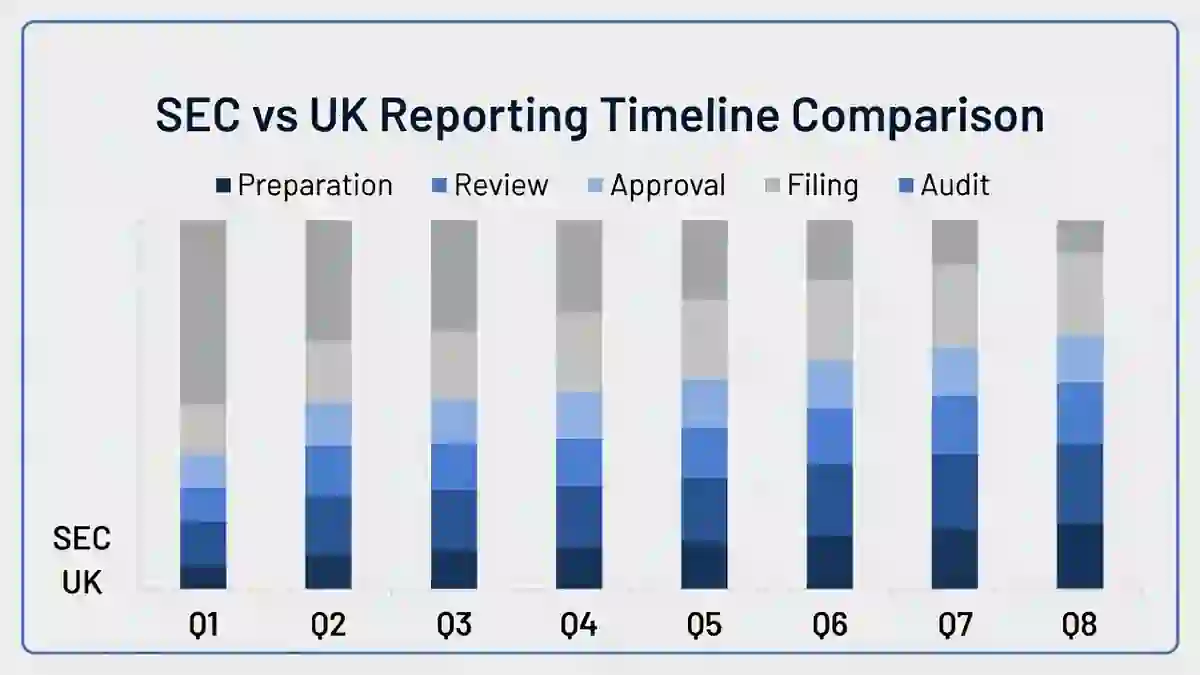
The US rule is measured in business days.
The UK rule is measured in hours.
4️⃣ Scope of Application
The SEC rule applies specifically to publicly traded companies.
The UK ICO rule applies to organizations handling personal data, regardless of whether they are publicly listed.
This makes the UK scope broader in terms of organizational coverage.
5️⃣ Disclosure Requirements
SEC disclosures must include:
- Nature of the incident
- Scope and timing
- Material financial or operational impact
UK notifications must include:
- Nature of the personal data breach
- Categories of affected individuals
- Likely consequences
- Mitigation measures
The SEC framework is investor-focused.
The UK framework is data-subject focused.
6️⃣ Enforcement and Penalties
In the United States, non-compliance may result in:
- SEC enforcement action
- Financial penalties
- Shareholder litigation
In the United Kingdom, failure to report may lead to:
- GDPR fines
- Regulatory investigations
- Public enforcement notices
Both systems create significant financial and reputational exposure.
7️⃣ Governance Expectations
SEC vs UK Cyber Reporting Deadlines reflect a broader shift toward board-level cybersecurity oversight.
In the US:
Boards must oversee cybersecurity risk management and disclosure readiness.
In the UK:
Organizations must demonstrate accountability and effective breach response controls.
Detection speed plays a critical role in both systems.
Metrics such as:
- Mean Time to Detect (MTTD)
- Dwell Time
- Mean Time to Respond (MTTR)
directly influence reporting readiness.
👉 Related internal guides:
👉 Mean Time to Detect (MTTD)
👉 Dwell Time Cybersecurity
Faster detection reduces regulatory pressure.
Final Thoughts
SEC vs UK Cyber Reporting Deadlines represent two regulatory approaches to cybersecurity transparency.
The US emphasizes investor disclosure within a four-business-day window.
The UK emphasizes personal data protection with a strict 72-hour reporting requirement.
For multinational organizations, aligning detection speed with both regulatory frameworks is critical.
In 2026, cybersecurity timing is not just operational — it is regulatory governance.