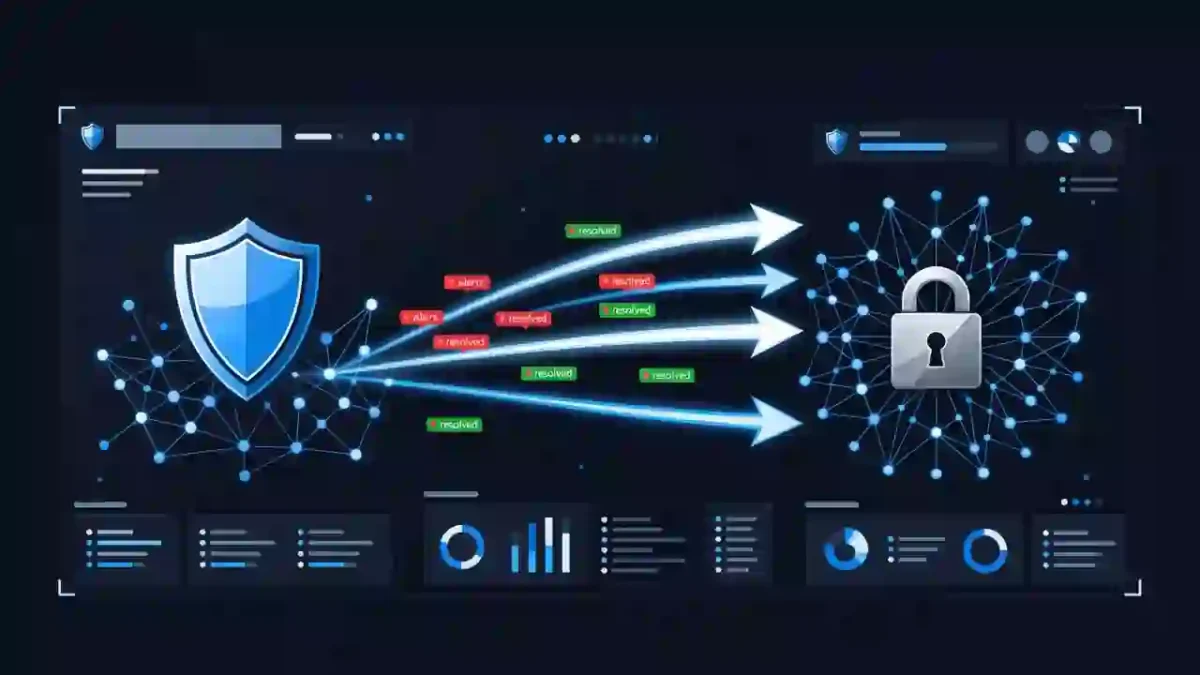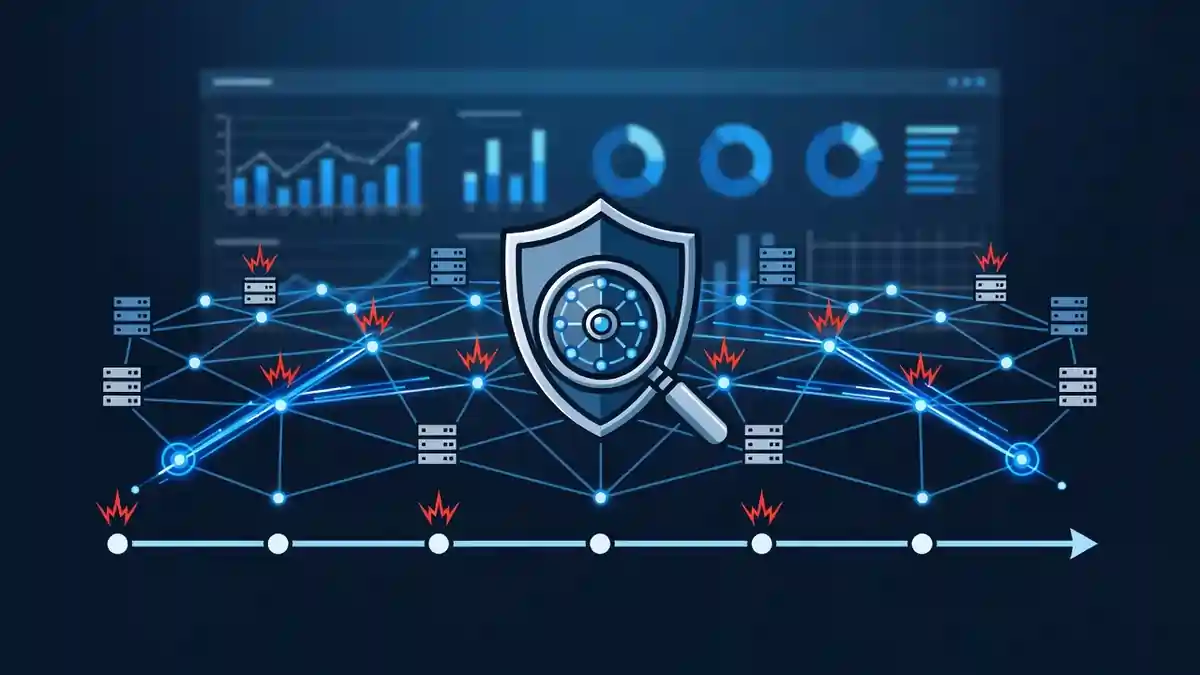
How to Reduce Cybersecurity Detection Time (Step-by-Step Guide)
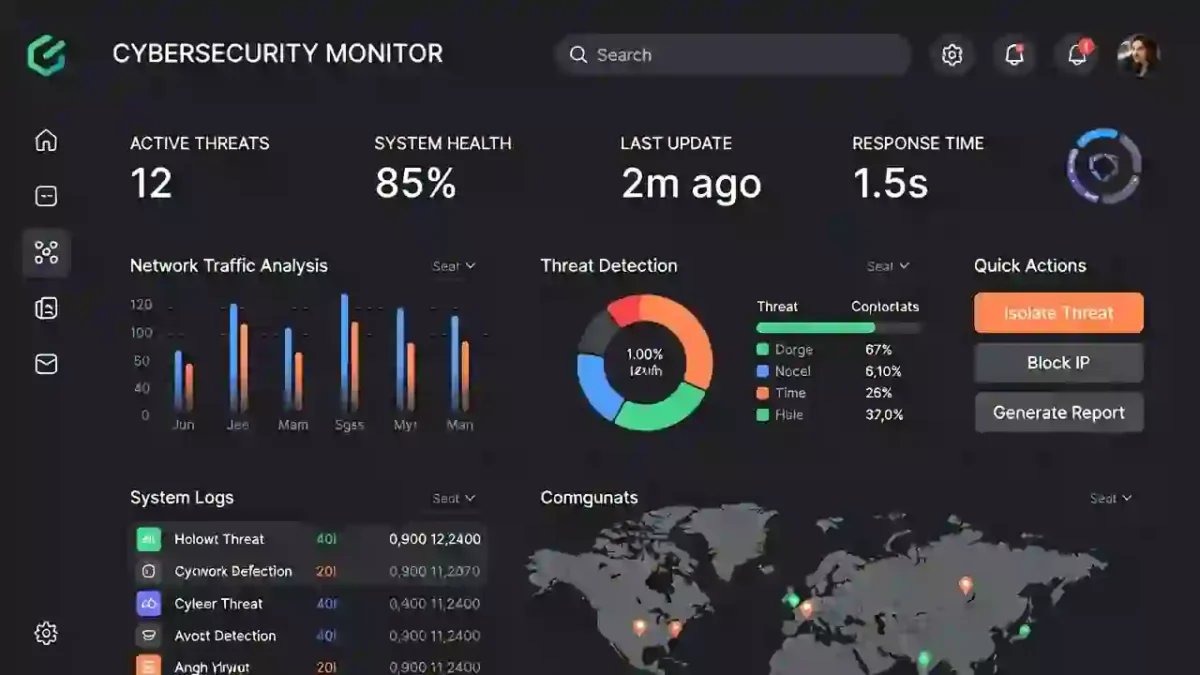
Reducing cybersecurity detection time is one of the most effective ways to limit breach impact.
The longer attackers remain undetected, the more damage they cause — including data theft, ransomware deployment, regulatory fines, and operational downtime.
This step-by-step guide explains exactly how organizations can reduce cybersecurity detection time using proven tools, processes, and metrics.
Table of Contents
1. What Is Cybersecurity Detection Time?
Cybersecurity detection time refers to the time between an attacker’s initial intrusion and when security teams identify the threat.
It is closely related to:
- Mean Time to Detect (MTTD)
- Dwell time
- Security monitoring maturity
Organizations with poor visibility often take weeks or months to detect threats.
For a deeper metric explanation, see:
🔗 Mean Time to Detect (MTTD) in Cybersecurity
2. Why Reducing Detection Time Matters
Detection speed directly affects:
- Amount of data exposed
- Ransomware spread
- Recovery cost
- Business downtime
According to industry reports, faster detection significantly reduces total breach cost.
Organizations that reduce cybersecurity detection time gain a measurable security and financial advantage.
According to the IBM Cost of a Data Breach Report, organizations that detect and contain threats faster significantly reduce overall breach costs.
3. Common Causes of Slow Detection
Before improving detection speed, it’s important to understand why detection is slow.
Common issues include:
- Lack of centralized log visibility
- Alert fatigue from false positives
- No 24/7 monitoring
- Manual investigation processes
- Legacy systems without telemetry
Fixing these issues is the foundation of faster detection.
4. Step-by-Step: How to Reduce Cybersecurity Detection Time
Step 1: Centralize Security Visibility
Deploy a SIEM platform to collect and correlate logs from:
- Endpoints
- Servers
- Network devices
- Cloud environments
Centralized visibility is essential for early detection.
Detection strategies should align with established standards such as the NIST Cybersecurity Framework, which emphasizes continuous monitoring and risk management.
Step 2: Implement Endpoint Detection and Response (EDR)
EDR tools provide real-time behavioral analysis at the endpoint level.
They detect:
- Suspicious processes
- Lateral movement
- Credential abuse
EDR significantly reduces detection delays.
Step 3: Use Automated Alerting and Correlation
Automation reduces human delay.
Use:
- Correlation rules
- Behavioral analytics
- Automated alert prioritization
This helps security teams focus on real threats instead of noise.
Many security teams map detection capabilities to the MITRE ATT&CK framework to better understand attacker techniques and improve alert accuracy.
Step 4: Enable 24/7 Monitoring
Threats don’t wait for business hours.
Organizations can:
- Build an internal SOC
- Use Managed Detection and Response (MDR) services
Continuous monitoring dramatically shortens detection windows.
Step 5: Integrate Threat Intelligence
Threat intelligence feeds provide early indicators of compromise.
They help detect:
- Known malicious IPs
- Phishing campaigns
- Emerging attack patterns
This improves proactive detection.
Step 6: Conduct Regular Threat Hunting
Threat hunting identifies hidden threats that automated tools may miss.
Proactive hunting reduces attacker dwell time and improves overall detection capability.
5. Key Metrics to Track
To ensure progress, track these metrics:
- Mean Time to Detect (MTTD)
- Detection rate vs false positives
- Dwell time
- Alert response time
Tracking these KPIs ensures detection improvements are measurable.
6. How Detection Time Fits into Incident Response
Detection is only the first phase.
Faster detection enables:
- Faster containment
- Faster eradication
- Faster recovery
To see how detection fits into the full response lifecycle, read:
🔗 Cybersecurity Incident Response Timeline
7. Final Takeaways
Reducing cybersecurity detection time is one of the most impactful security improvements an organization can make.
Organizations that:
- Centralize visibility
- Automate detection
- Monitor continuously
- Measure performance
… consistently reduce breach impact and recovery time.
Detection speed is not just a technical metric — it is a business safeguard.