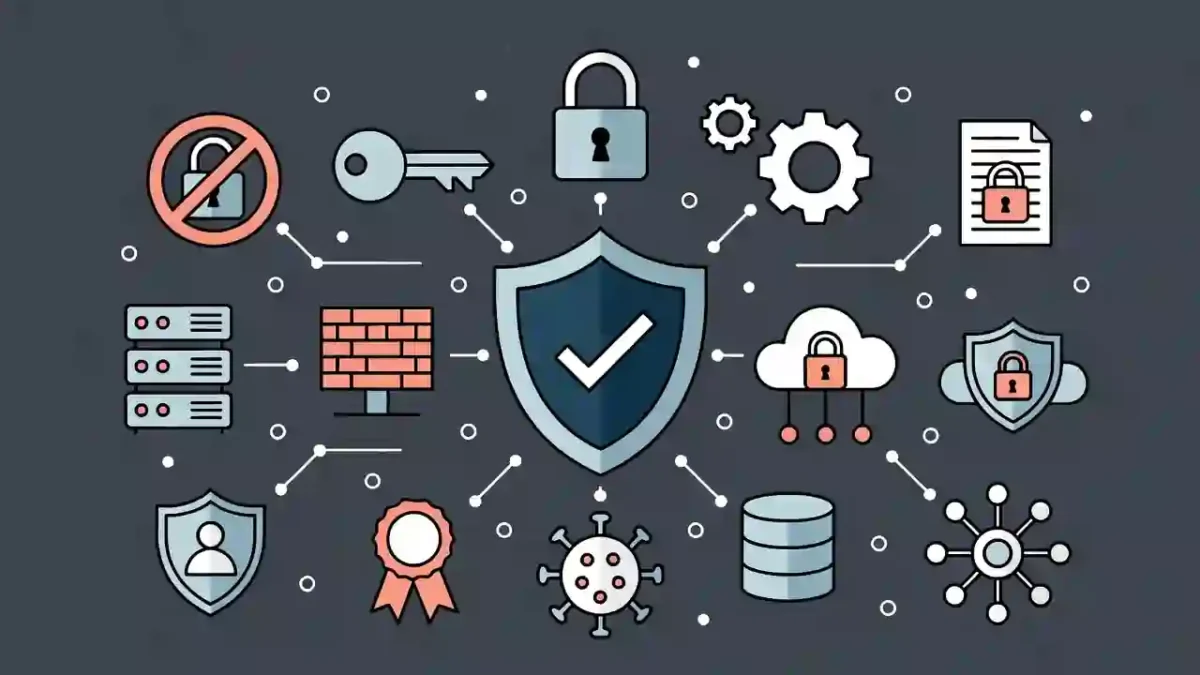
Health Information Technology: 10 Proven Security Strategies
Introduction
Health Information Technology is transforming modern healthcare. Hospitals and clinics rely on digital systems to manage records, enable telehealth, and coordinate patient care. These innovations improve efficiency and outcomes, but they also introduce new cybersecurity risks.
As healthcare becomes more connected, protecting sensitive medical information is critical for patient safety and operational stability.
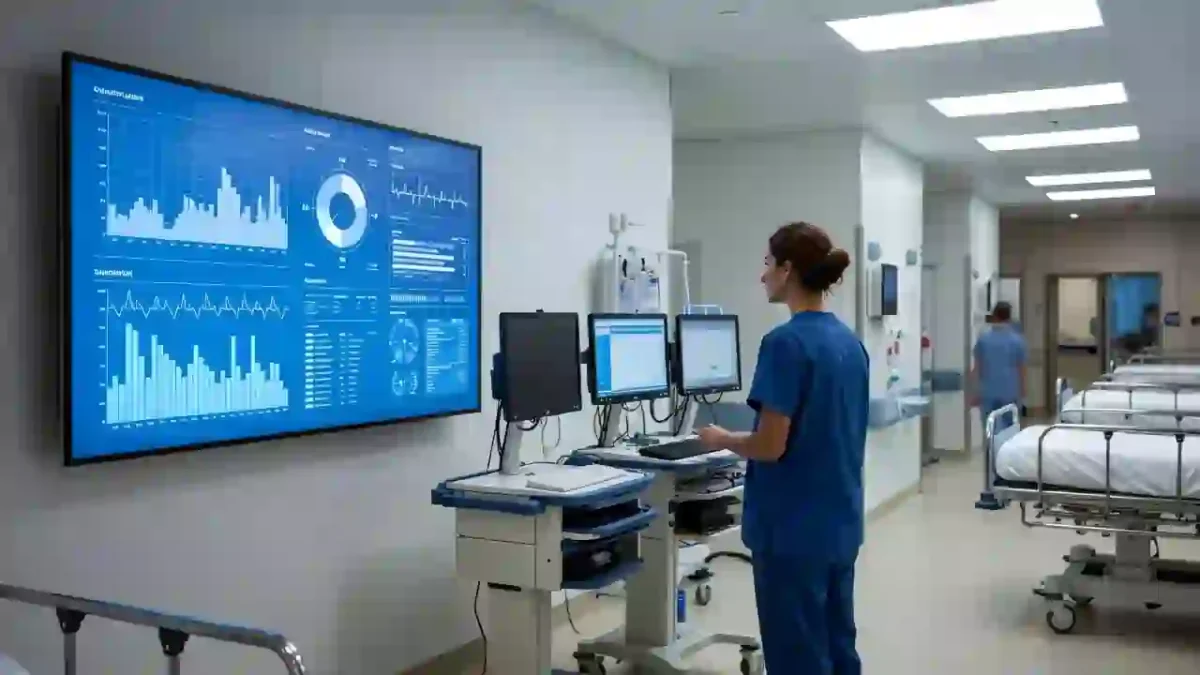
Table of Contents
What Is Health Information Technology?
Health Information Technology refers to the digital tools used to collect, store, and exchange medical data. These systems help providers deliver faster, more accurate care while reducing administrative burdens.
Examples include:
- Electronic health records (EHRs)
- Telemedicine platforms
- Cloud-based clinical applications
- Connected diagnostic devices
According to the U.S. Department of Health & Human Services, secure digital record systems improve care coordination and reduce medical errors.
Why Healthcare Systems Are Targeted by Cybercriminals
Medical records contain personal identifiers, insurance details, and complete health histories. This makes healthcare organizations attractive targets for cyberattacks.
When security fails, consequences may include:
- Service disruptions
- Financial losses
- Legal penalties
- Reputational damage
Because of this, organizations must treat cybersecurity as a strategic priority rather than a technical afterthought.
Common Cybersecurity Threats in Healthcare IT
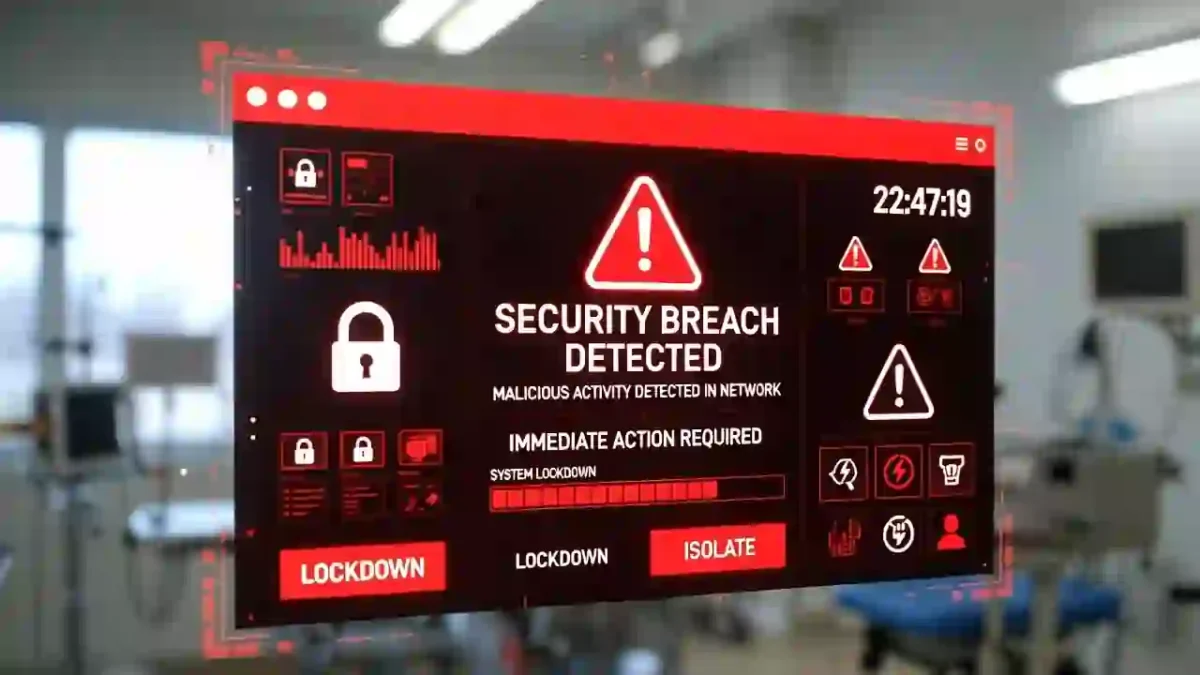
Ransomware
Attackers encrypt hospital systems and demand payment for restoration.
Phishing
Deceptive emails continue to compromise employee credentials.
Insider Misuse
Improper access permissions can expose confidential information.
Connected Device Risks
Medical devices connected to networks increase exposure.
Third-Party Vulnerabilities
External vendors may introduce security weaknesses.
Threat intelligence updates are available from: Health Isac
10 Essential Security Strategies
1. Implement Zero Trust Access Controls
Verify every user and device before granting access.
2. Require Multi-Factor Authentication
Additional authentication steps reduce unauthorized access.
3. Encrypt Sensitive Data
Protect information both at rest and during transmission.
4. Conduct Regular Risk Assessments
Follow frameworks like NIST
5. Keep Systems Updated
Routine patching closes known vulnerabilities.
6. Train Employees Regularly
Security awareness reduces phishing success rates.
7. Monitor Networks Continuously
Early detection limits damage from intrusions.
8. Secure Medical Devices
Segment networks to isolate high-risk endpoints.
9. Review Vendor Security Standards
Ensure partners meet compliance requirements.
10. Develop an Incident Response Plan
Prepared organizations recover faster from breaches.
Compliance Requirements
Organizations using Health Information Technology must comply with regulations such as:
- HIPAA Security Rule
- HITECH Act
- Regional privacy laws
Strong compliance programs support both legal protection and patient trust.
The Future of Digital Healthcare Security
Advancements in artificial intelligence, behavioral analytics, and automated monitoring will continue shaping cybersecurity in clinical environments. Proactive defense strategies will become essential as healthcare systems grow more interconnected.
Conclusion
Health Information Technology enables faster diagnoses, better coordination, and improved patient outcomes. However, the same systems that improve care also attract cyber threats.
By strengthening access controls, monitoring networks, securing devices, and maintaining compliance, healthcare organizations can protect sensitive data and ensure resilient operations in 2026 and beyond.
Strengthening Healthcare Security
Following proven cybersecurity best practices allows healthcare organizations to identify vulnerabilities early, respond to incidents faster, and protect sensitive medical data from evolving threats.