
What is Network Security? 7 Powerful Benefits Explained
What Is Network Security?
Network security refers to the technologies, policies, and controls designed to protect computer networks from unauthorized access, misuse, disruption, or cyber attacks.
It safeguards the integrity, confidentiality, and availability of data as it moves across networks.
In today’s connected world, understanding what is network security is essential for individuals, businesses, and organizations of all sizes.
Table of Contents
Why Understanding What Is Network Security Matters
Modern networks connect:
- Employees and remote workers
- Cloud services
- Business applications
- Mobile devices
- Customers
Without proper network security, attackers can intercept traffic, steal credentials, inject malware, or disrupt operations.
Network security forms the foundation of cybersecurity strategy.
1️⃣ Firewalls Protect Network Boundaries
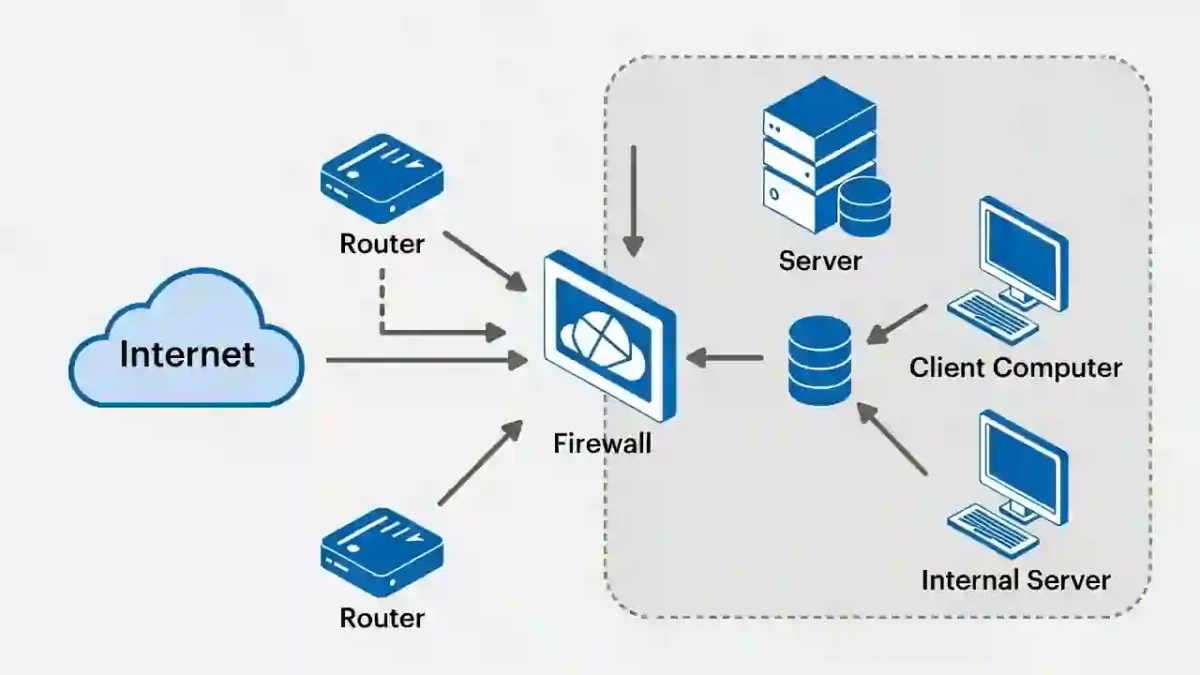
Firewalls monitor and control incoming and outgoing traffic based on predefined rules.
They act as a barrier between trusted internal systems and untrusted external networks, such as the internet.
Firewalls are one of the first layers in network defense.
2️⃣ Intrusion Detection and Prevention Systems (IDS/IPS)
IDS and IPS solutions analyze network traffic for suspicious behavior.
They detect:
- Unauthorized access attempts
- Malware communication
- Abnormal data transfers
Early detection reduces the risk of prolonged attacker presence.
3️⃣ Encryption Secures Data in Transit
Encryption ensures that data transmitted across networks cannot be easily read if intercepted.
Technologies such as HTTPS, TLS, and VPNs rely on encryption to protect sensitive information.
Encryption is critical for protecting login credentials, financial data, and confidential communications.
4️⃣ Access Control Limits Exposure
Access control determines who can access specific network resources.
Common methods include:
- Role-Based Access Control (RBAC)
- Multi-Factor Authentication (MFA)
- Network segmentation
Limiting access reduces insider risk and external exploitation.
5️⃣ Network Monitoring Improves Visibility
Continuous monitoring allows organizations to identify anomalies in network traffic.
Monitoring supports faster detection and response.
🔗 Link: How to Reduce Cyber Breach Detection Time
Reducing detection time limits breach impact.
6️⃣ Virtual Private Networks (VPNs)
VPNs encrypt connections between users and corporate networks.
They are especially important in remote and hybrid work environments.
VPNs protect data from interception on public networks.
7️⃣ Network Segmentation Reduces Risk
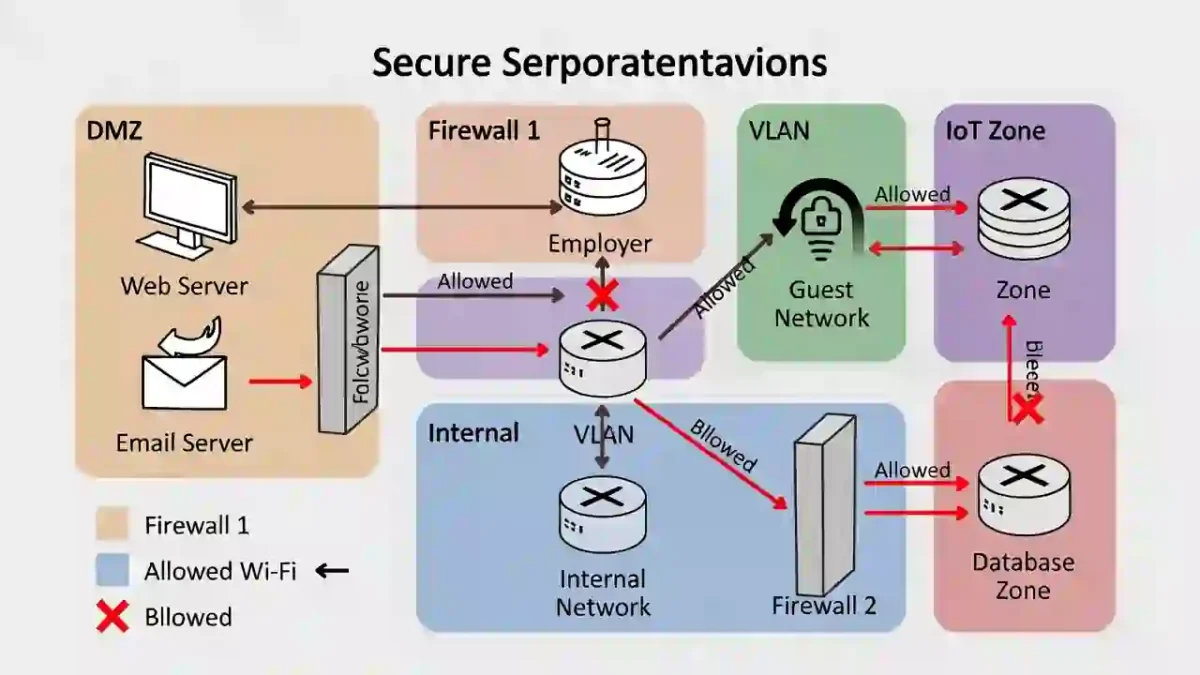
Network segmentation divides networks into smaller isolated zones.
If attackers compromise one segment, movement to other areas becomes more difficult.
Segmentation reduces dwell time and limits breach scope.
🔗 Link: How Long Do Hackers Stay Undetected
Common Network Security Threats
Understanding what is network security also means understanding the threats it addresses.
Common threats include:
- Malware
- Ransomware
- Distributed Denial-of-Service (DDoS) attacks
- Man-in-the-middle attacks
- Credential theft
According to the Verizon Data Breach Investigations Report.
Compromised credentials and network access remain major contributors to breaches.
How Network Security Supports Incident Response
Network security tools provide traffic visibility and alerting capabilities.
Improving detection metrics such as:
🔗 Link: Mean Time to Detect (MTTD)
Helps reduce dwell time and overall business impact.
Network security is not just about blocking threats — it enables faster response and resilience.
How Network Security Protects Modern Businesses
Understanding what is network security becomes more important as organizations expand their digital infrastructure.
Modern businesses rely on:
- Cloud platforms
- Remote employees
- Third-party integrations
- Real-time customer applications
Without strong network security, attackers can exploit weak entry points to access internal systems.
Effective network security helps:
- Prevent unauthorized access
- Detect suspicious traffic early
- Limit lateral movement within systems
- Protect sensitive business data
Organizations that invest in strong network security reduce operational disruption and strengthen long-term resilience.
Network security is not just a technical safeguard — it is a strategic business requirement.
Final Thoughts
What Is Network Security?
It is the foundational layer of cybersecurity that protects systems, data, and communications from unauthorized access and disruption.
From firewalls to encryption and monitoring, network security ensures that digital environments remain stable and secure.
As cyber threats continue to evolve, strong network security remains essential for operational continuity and long-term protection.