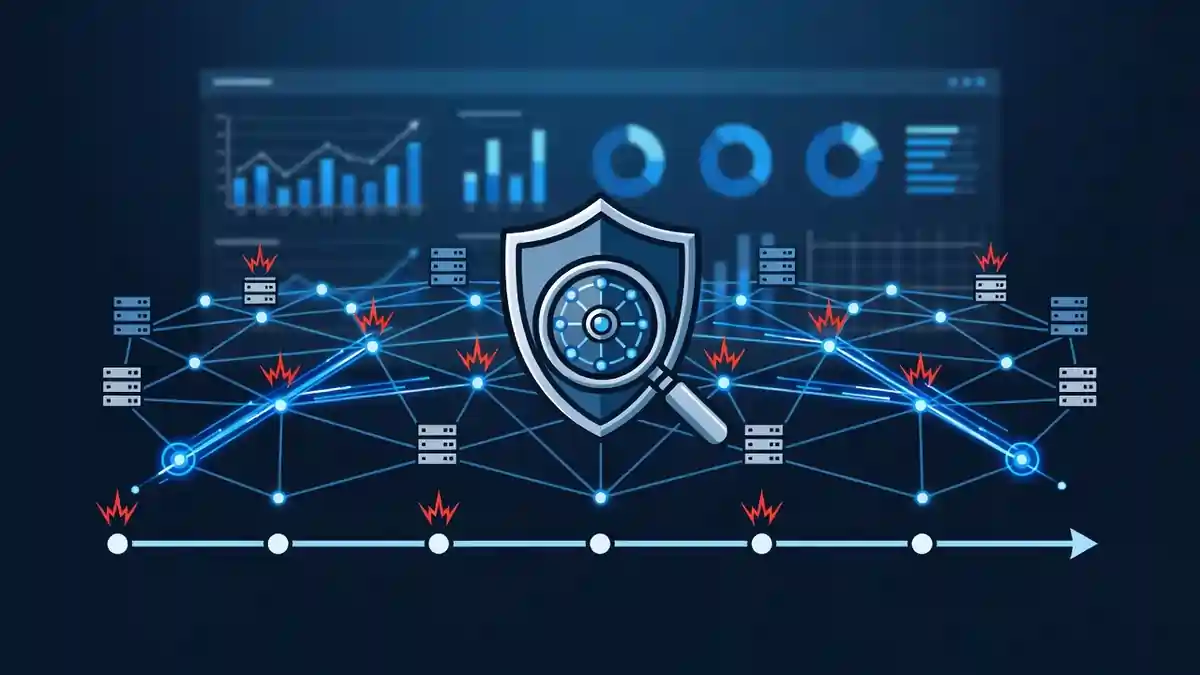
Cyber Breach Detection Time: 7 Critical Facts for 2026
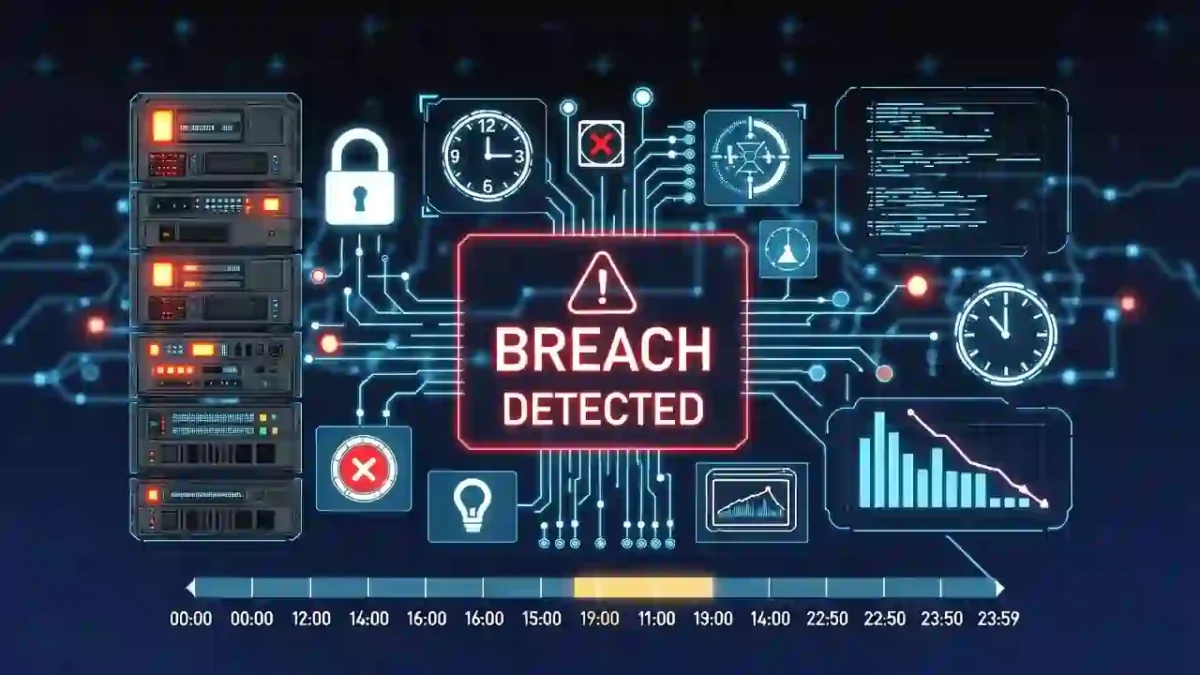
Cyber breach detection time is one of the most important security metrics organizations monitor in 2026.
The longer attackers remain undetected, the greater the financial, operational, and reputational damage. Early detection limits attacker movement, reduces data exposure, and shortens recovery cycles.
This guide explains what detection time means, current statistics, industry differences, and how organizations can improve their detection performance.
Table of Contents
1. What Is Cyber Breach Detection Time?
Cyber breach detection time refers to the period between initial compromise and when a security team identifies the intrusion.
It measures how quickly an organization discovers unauthorized access within its systems.
Shorter detection cycles allow teams to isolate affected systems quickly and prevent escalation. Longer cycles increase the risk of lateral movement, credential abuse, and data exfiltration.
2. Average Detection Time in 2026
Industry research shows that breach identification often takes weeks or months, depending on monitoring maturity.
According to the IBM Cost of a Data Breach Report, many organizations still experience extended breach identification and containment timelines.
The Verizon Data Breach Investigations Report (DBIR) highlights that a significant percentage of breaches are discovered by external parties rather than internal monitoring teams.
Organizations that shorten their detection window consistently report lower breach costs.
3. Why Detection Delays Happen
Several factors increase breach identification time:
Limited Visibility
Without centralized logging and monitoring, malicious activity blends into legitimate traffic.
Alert Fatigue
Security teams overwhelmed by false positives may miss meaningful alerts.
Sophisticated Techniques
Modern attackers use stealth tactics such as credential abuse and legitimate system tools.
Lack of Continuous Monitoring
Organizations without 24/7 oversight often miss early compromise indicators.
Improving visibility and automation significantly reduces these delays.
4. Detection Time vs Dwell Time
Detection time is closely connected to dwell time, which measures how long attackers remain inside a network before discovery.
Longer identification cycles increase dwell time, allowing attackers to:
- Escalate privileges
- Move laterally
- Access sensitive data
- Establish persistence
Learn more about this metric here: Dwell Time Cybersecurity
Reducing detection speed directly lowers dwell time and breach severity.
5. Detection Time by Industry
Detection speed varies across sectors.
Financial institutions often identify breaches faster due to strict compliance requirements. Healthcare and manufacturing environments may experience longer detection windows due to legacy infrastructure and complex environments.
Monitoring maturity and automation level are key determining factors.
6. How to Reduce Detection Delays
Organizations can improve detection performance with structured investments:
Centralized Logging (SIEM)
Aggregating logs across endpoints and networks improves anomaly detection.
Endpoint Detection and Response (EDR)
Behavior-based monitoring identifies suspicious activity in real time.
Threat Intelligence Integration
External threat feeds provide early compromise indicators.
Continuous Monitoring
Security Operations Centers (SOC) ensure rapid investigation.
For a detailed breakdown of detection metrics, see: Mean Time to Detect Cybersecurity
And for the full response lifecycle: Cybersecurity Incident Response Timeline
7. Frequently Asked Questions
What is average cyber breach detection time?
Detection time can range from days to months depending on monitoring maturity, automation, and security investment.
Why is detection time important?
Faster identification limits damage, reduces recovery costs, and improves overall security resilience.
Can organizations significantly reduce detection delays?
Yes. Centralized visibility, automation, and proactive threat hunting dramatically improve identification speed.
How Detection Speed Impacts Recovery
Detection speed directly influences incident recovery outcomes.
Early identification reduces investigation complexity and limits system disruption. When breaches are detected late, attackers often expand their access, compromise backups, and increase remediation effort.
Improving detection capability is not only a technical objective but also a strategic business decision.
Final Thoughts
Cyber breach detection time remains a defining factor in breach impact.
Organizations that invest in monitoring visibility, automation, and structured incident response significantly reduce risk and improve resilience.
Faster identification means less damage, lower cost, and stronger long-term security posture.