What Is Cybersecurity?
What is cybersecurity, and why has it become one of the most important topics in the digital world in 2026?
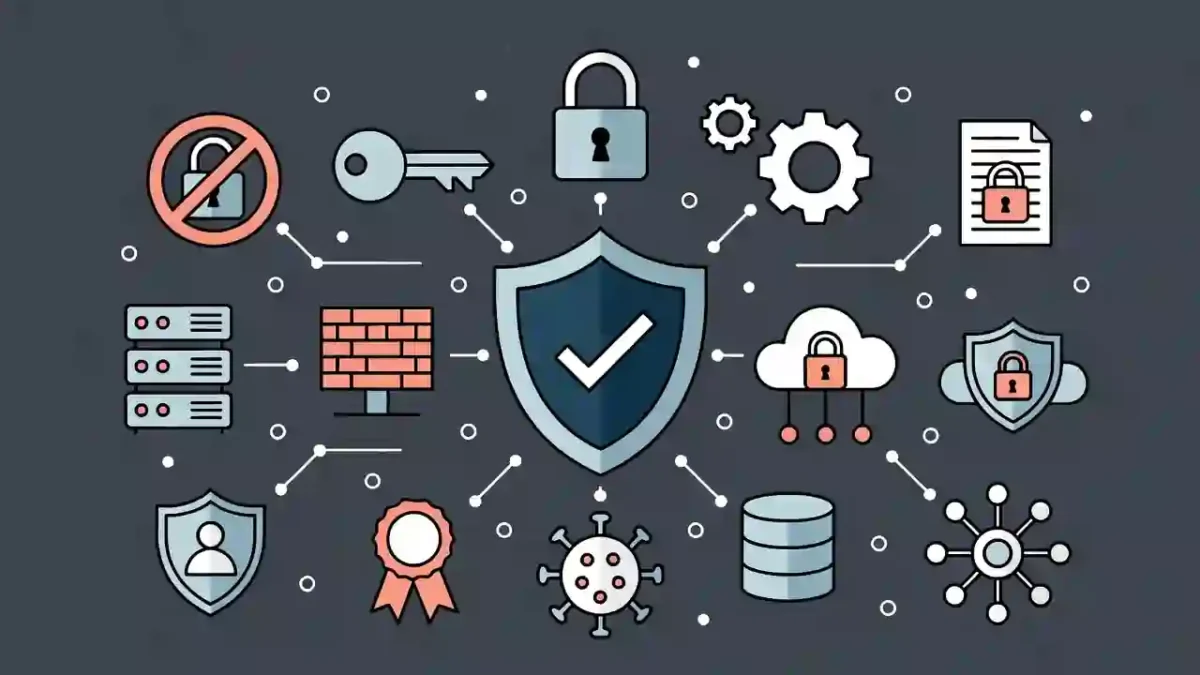
Cybersecurity is the practice of protecting computers, networks, systems, and data from cyber attacks, unauthorized access, damage, or theft. As our lives become more connected to the internet, cybersecurity plays a critical role in keeping personal, business, and government information safe.
Today, cybersecurity is not just for IT professionals. It affects everyone who uses the internet, including students, bloggers, business owners, and everyday users.
Why Understanding What Is Cybersecurity Matters Today
Understanding what is cybersecurity is essential in a world where digital systems power communication, finance, healthcare, and national infrastructure.
Table of Contents
What Is Cybersecurity? Simple Definition
To clearly understand what is cybersecurity, think of it as digital protection.
Cybersecurity protects:
- Personal data (passwords, photos, emails)
- Financial information (bank accounts, credit cards)
- Business data (customer records, company files)
- Online systems and networks
Cybersecurity combines technology, rules, and user awareness to defend against online threats.
Without cybersecurity, sensitive data would be easy to steal or destroy.
Why Cybersecurity Is Important in 2026
Cybersecurity has become more important than ever because cyber threats are increasing every year.
Here’s why cybersecurity matters in 2026:
- Online fraud is rising globally
- Remote work has expanded attack surfaces
- Cloud storage holds massive amounts of data
- Hackers now use AI-powered tools
- Data privacy laws are stricter
According to global security reports from trusted organizations like IBM Security and CISA, cybercrime costs businesses and individuals trillions of dollars annually.

Types of Cybersecurity You Should Know
When people ask what is cybersecurity, they often overlook that it includes multiple specialized areas. Cybersecurity is not a single solution — it is a combination of protective disciplines working together.
When discussing different security domains, it becomes clear that what is cybersecurity cannot be limited to a single tool or practice.
Core Types of Cybersecurity
Network Security
Protects internal networks from unauthorized access, misuse, and cyber intrusions. It focuses on securing infrastructure, routers, and communication channels.
Application Security
Secures software and applications from vulnerabilities, bugs, and exploitation. This includes secure coding practices and regular security testing.
Information Security
Protects sensitive data from leaks, unauthorized access, and breaches. It ensures confidentiality, integrity, and availability of information.
Cloud Security
Safeguards cloud-based platforms, services, and storage environments from cyber threats and misconfigurations.
Endpoint Security
Protects devices such as smartphones, laptops, desktops, and tablets that connect to a network.
Each type of cybersecurity plays a specific role, but together they form a unified defense system.
Common Cybersecurity Threats
Understanding what cybersecurity is also requires understanding what it protects against. To fully understand what is cybersecurity, you must also understand the threats it is designed to prevent.
Major Cyber Threats
Malware
Malicious software designed to damage systems, disrupt operations, or steal sensitive data.
Phishing
Fraudulent emails or messages that trick users into revealing passwords, financial information, or confidential data.
Ransomware
Malware that locks files or systems and demands payment to restore access.
Social Engineering
Psychological manipulation used to deceive individuals into disclosing confidential information.
Password Attacks
Attempts to guess, steal, or crack weak passwords to gain unauthorized access.
Cybersecurity exists to prevent, detect, and respond to these threats before they cause serious damage.
How Cybersecurity Works
Cybersecurity operates through layered protection strategies rather than a single defense mechanism.
Key Security Mechanisms
- Firewalls that block suspicious traffic
- Antivirus software that detects and removes malware
- Encryption that protects sensitive data
- Multi-factor authentication (MFA) that secures login access
- Continuous monitoring systems that detect unusual activity
This layered security approach makes cyber attacks significantly more difficult and less successful.
When multiple safeguards work together, they reduce vulnerabilities and strengthen overall digital resilience.

Cybersecurity for Individuals and Businesses
🧍 Cybersecurity for Individuals
Cybersecurity is not only for organizations — individuals need protection as well.
Essential Personal Security Habits
| Personal Protection Practices |
|---|
| Use strong, unique passwords |
| Enable two-factor authentication (2FA) |
| Avoid suspicious links and emails |
| Update devices and software regularly |
| Back up important files securely |
Developing these habits significantly reduces personal cyber risk.
🏢 Cybersecurity for Businesses
Businesses are major targets for cyber attacks. A single breach can:
Potential Business Impact
| Risk Impact |
|---|
| Damage brand reputation |
| Cause financial loss |
| Expose customer data |
| Lead to legal penalties |
Core Business Security Focus Areas
| Business Security Practices |
|---|
| Employee security awareness training |
| Secure access controls |
| Continuous network monitoring |
| Incident response planning |
Strong cybersecurity builds customer trust and long-term organizational success.
Essential Cybersecurity Tools
Modern cybersecurity relies on key technologies to protect systems and data.
| Security Tool | Purpose |
|---|---|
| Firewalls | Filter and control network traffic |
| Antivirus software | Detect and remove malware |
| VPNs | Secure encrypted connections |
| Password managers | Safely store credentials |
| Intrusion detection systems (IDS) | Identify suspicious activity |
Many modern tools now integrate AI to detect threats faster and more accurately.
15 Powerful Benefits of Cybersecurity
Cybersecurity provides wide-ranging advantages across personal and business environments.
🔐 Personal & Organizational Protection
| Core Benefits |
|---|
| Protects personal data |
| Prevents identity theft |
| Secures online payments |
| Ensures data privacy |
| Protects remote workers |
🏢 Business & Strategic Advantages
| Strategic Benefits |
|---|
| Protects businesses from financial loss |
| Builds user trust |
| Reduces downtime |
| Protects intellectual property |
| Enhances brand reputation |
| Supports legal compliance |
| Secures cloud systems |
| Prevents ransomware attacks |
| Improves system reliability |
| Enables safe digital growth |
Cybersecurity Career Opportunities
Learning what cybersecurity is can open high-demand career paths globally.
Popular Cybersecurity Roles
| Technical Roles | Specialized Roles |
|---|---|
| Cybersecurity Analyst | Cloud Security Specialist |
| SOC Analyst | Security Engineer |
| Ethical Hacker |
Cybersecurity careers offer:
- Competitive salaries
- Strong job security
- Global demand
- Continuous professional growth
How to Start Learning Cybersecurity
If you are new and wondering how to begin, follow this structured roadmap:
Beginner Learning Path
| Step | Action |
|---|---|
| Step 1 | Learn basic computer networking |
| Step 2 | Understand common cyber threats |
| Step 3 | Practice safe online habits |
| Step 4 | Take beginner cybersecurity courses |
| Step 5 | Follow trusted cybersecurity blogs |
🔗 Internal Links (Future Posts)
The Future of Cybersecurity
Cybersecurity will continue evolving alongside technological innovation.
Emerging Trends
| Future Trend | Expected Impact |
|---|---|
| AI-driven threat detection | Faster and smarter response |
| Zero-trust security models | Stronger identity control |
| Cloud-first security | Secure digital transformation |
| Stronger encryption | Enhanced data protection |
| Privacy-focused systems | Greater regulatory alignment |
Cybersecurity will remain essential as digital ecosystems expand and technology advances.
Final Thoughts: Why Understanding What Is Cybersecurity Matters
You now have a clear understanding of what cybersecurity is and why it plays a critical role in today’s digital world.
Cybersecurity protects your personal data and online identity.
Cybersecurity safeguards businesses from financial and reputational damage.
Cybersecurity strengthens the foundation of the modern internet.
In 2026 and beyond, digital security is no longer optional — it is essential.
No matter your role — individual user, student, professional, or business owner — cybersecurity directly affects you.
Learning about cybersecurity today is not just an investment in knowledge. It is an investment in protection, resilience, and long-term digital safety.
The more we understand cybersecurity, the safer our digital future becomes.
Understanding what is cybersecurity is the first step toward building digital awareness and long-term protection.