Why Cybersecurity Is Important: 9 Reasons It Matters Today
Understanding why cybersecurity is important has become essential in a world where daily life depends on connected systems. People bank online, work through cloud platforms, communicate through apps, and store personal and business data across multiple digital services. When those systems are not protected properly, the result can be fraud, stolen information, downtime, and damaged trust.
That is exactly why cybersecurity is important for individuals, businesses, and governments. It is no longer only a technical issue for IT teams. It is a practical issue that affects privacy, resilience, finance, and public confidence in digital services.
Table of Contents
What Cybersecurity Really Means
Cybersecurity is the practice of protecting systems, networks, applications, accounts, and data from unauthorized access, disruption, theft, and manipulation. In practical terms, it is about reducing digital risk while keeping important services available and trustworthy.
That includes more than blocking attackers. Strong cybersecurity also helps organizations control access, detect suspicious activity, respond to incidents, and recover safely when something goes wrong. Readers who want a broader introduction to the topic can continue with What Is Cybersecurity? 7 Essential Threats.
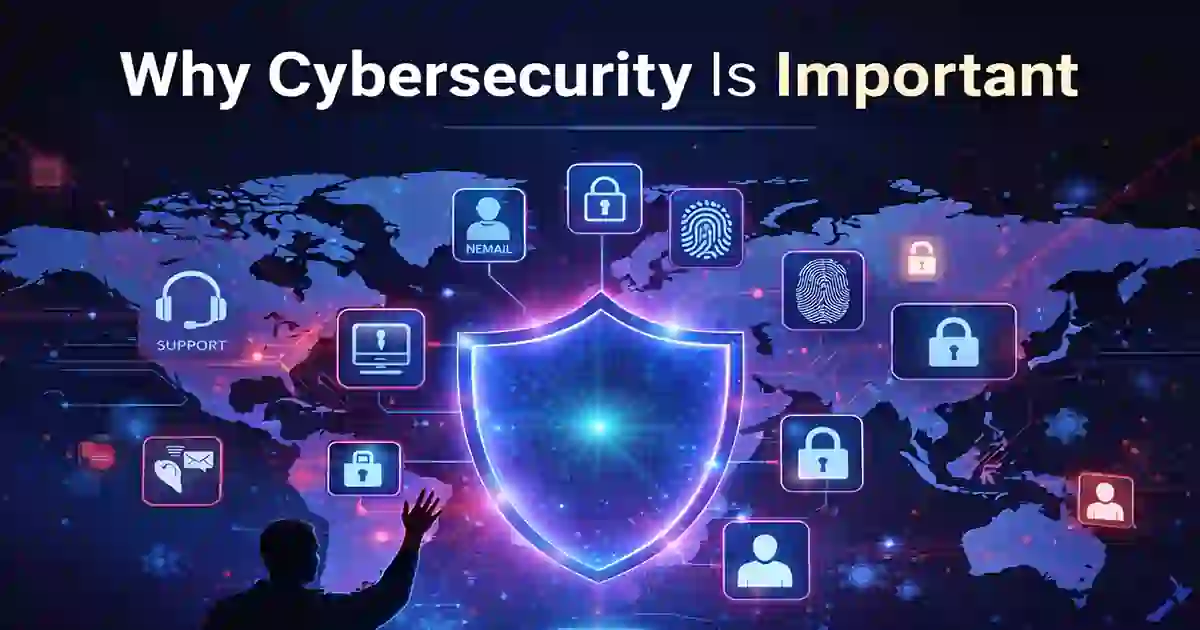
Why Cybersecurity is Important for Individuals
For individuals, cybersecurity protects privacy, money, identity, and access to daily digital services. Many people now keep sensitive information across email accounts, cloud drives, mobile devices, banking apps, and social platforms. That convenience also creates more risk.
A compromised account can lead to fraud, identity theft, unauthorized purchases, or exposure of private information. A weak password reused across multiple services can turn one small security failure into a much bigger problem. Phishing emails, scam messages, fake login pages, and malicious downloads remain common because they target routine human behavior.
Cybersecurity helps reduce the chance that:
- email or social media accounts are hijacked
- personal data is stolen or misused
- financial accounts are accessed without permission
- devices are infected with malicious software
- private records are exposed through weak security habits
For readers interested in the data-protection side of this topic, Information Security: 10 Proven Ways to Protect Data is a useful related guide.
Why Cybersecurity is Important for Businesses
For businesses, cybersecurity is directly connected to revenue, operations, customer trust, and resilience. Most organizations now rely on digital systems for internal communication, recordkeeping, customer service, financial processing, supplier coordination, and remote work. When those systems are disrupted, the impact is rarely limited to IT.
Weak cybersecurity can lead to downtime, stolen customer data, financial fraud, reputational damage, regulatory pressure, and costly remediation. Even a relatively small incident can grow quickly when visibility is weak or ownership is unclear. A compromised mailbox may become invoice fraud. A poorly secured file repository may become a reportable data incident. Unreviewed vendor access may create exposure no one noticed until real damage appears.
This is why cybersecurity is now a business risk issue as much as a technical one. A practical next read here is Data Breach Timeline Template: 9 Critical Response Steps, which connects the subject to real incident handling.
Common Threats That Explain Why Cybersecurity Is Important
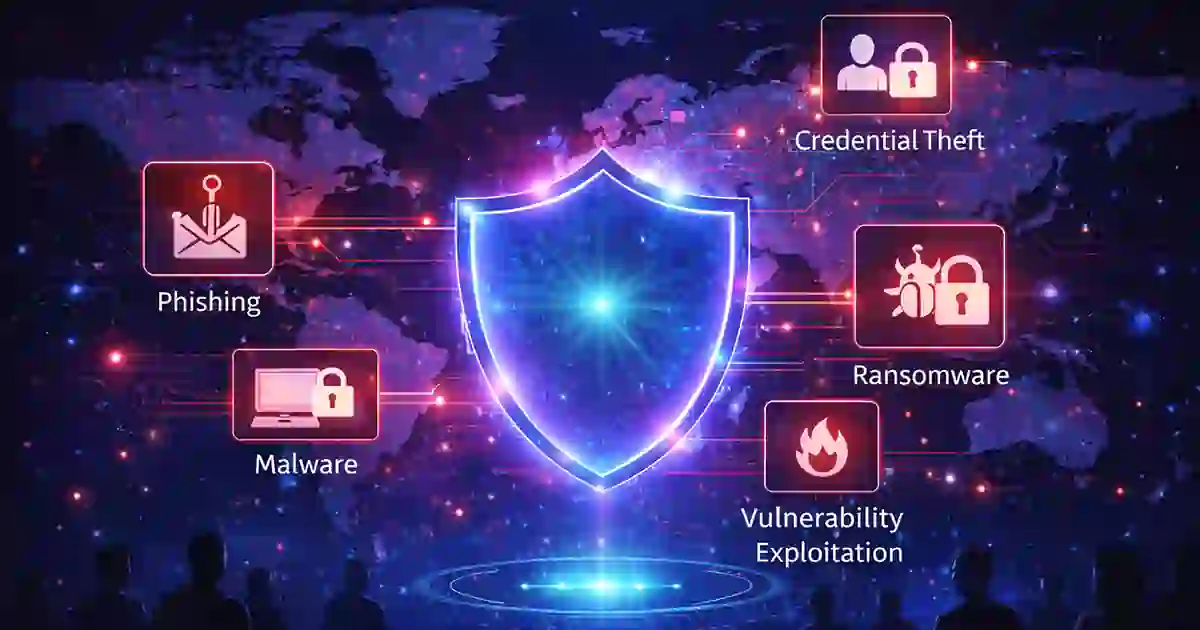
Cybersecurity matters partly because the threat environment is persistent and varied. Many organizations understand cybersecurity in theory, but real incidents show why cybersecurity is important in practice. A phishing email, weak password, exposed cloud storage setting, or compromised vendor account can quickly grow into a larger security event. That is why prevention, detection, response, and recovery all matter. Many incidents do not begin with highly advanced techniques. They begin with familiar weaknesses that remain easy to exploit.
1. Phishing
Phishing uses deceptive emails, websites, or messages to trick users into revealing passwords, approving payments, or opening malicious files.
2. Malware
Malware is malicious software designed to damage systems, steal data, spy on activity, or create unauthorized access.
3. Ransomware
Ransomware can encrypt systems, disrupt operations, and pressure victims through payment demands or data extortion.
4. Credential Theft
Attackers often target usernames, passwords, tokens, and session workflows because valid credentials can provide quieter access than obvious external attacks.
5. Vulnerability Exploitation
Known software flaws remain one of the most direct paths to compromise when patching is slow or inconsistent.
6. Insider Misuse or Error
Not all security failures begin outside the organization. Excess access, weak offboarding, careless file handling, and internal misuse can also create serious risk.
7. Third-Party Exposure
Suppliers, vendors, service providers, and other partners often become part of the attack surface when they handle data or connect to internal systems.
Readers who want to explore these patterns further can continue with Ransomware Detection Timeline: 6 Critical Stages and Third-Party Risk Assessment Checklist 2026: 12 Proven Steps.
The Financial Cost of Cyber Incidents
Cybersecurity is important because digital incidents rarely stay technical for long. They often create operational, financial, legal, and reputational costs at the same time.
The real cost may include forensic investigation, downtime, lost sales, regulatory review, customer notification, recovery work, external consultants, and long-term trust damage. In many cases, the expense grows because detection was slow, responsibilities were unclear, or recovery planning was weak.
This is why operational security metrics matter. Readers who want to understand the detection side better can continue with Mean Time to Detect: 5 Proven Ways to Reduce Cyber Risk.
Why Cybersecurity is Important for Critical Infrastructure
Cybersecurity is also a public-interest issue. Critical infrastructure depends on digital systems for continuity and safety. Energy, healthcare, transportation, telecommunications, finance, and public administration all rely on connected technologies.
When security is weak in those environments, the impact can extend beyond one organization. Disruption can affect public services, supply chains, emergency response, and confidence in essential systems. That is why cybersecurity now matters not only to technical teams, but also to leadership, regulators, and policymakers.
Practical Ways to Improve Cybersecurity
The strongest improvements are often basic controls applied consistently. Organizations and individuals can lower risk by focusing on a few high-value practices.
Practical steps include:
- Turn on multi-factor authentication for important accounts.
- Use strong, unique passwords and a password manager.
- Patch internet-facing systems and high-risk vulnerabilities quickly.
- Limit access based on role and remove unnecessary privileges.
- Protect backups and test recovery regularly.
- Train users to recognize phishing and suspicious activity.
- Monitor important systems for unusual logins and administrative changes.
- Review vendor access and third-party dependencies.
- Create a clear incident response process before an incident happens.
For supplier-related risks, Vendor Security Questionnaire Template: 7 Key Questions and Supplier Cybersecurity Contract Template: 7 Best Tips fit naturally with this section.
Why Cybersecurity is Important in the Future
Cybersecurity will continue to grow in importance because digital dependence is still increasing. Organizations are adopting more cloud services, more integrations, more remote workflows, more automation, and more connected devices. At the same time, attackers continue to exploit weak credentials, exposed systems, misconfigurations, and human error.
The future of cybersecurity is not only about buying more tools. It is about building better visibility, clearer ownership, stronger access control, and faster response. As digital systems become more central to daily life and business operations, cybersecurity becomes part of how trust is maintained.
Final Takeaway
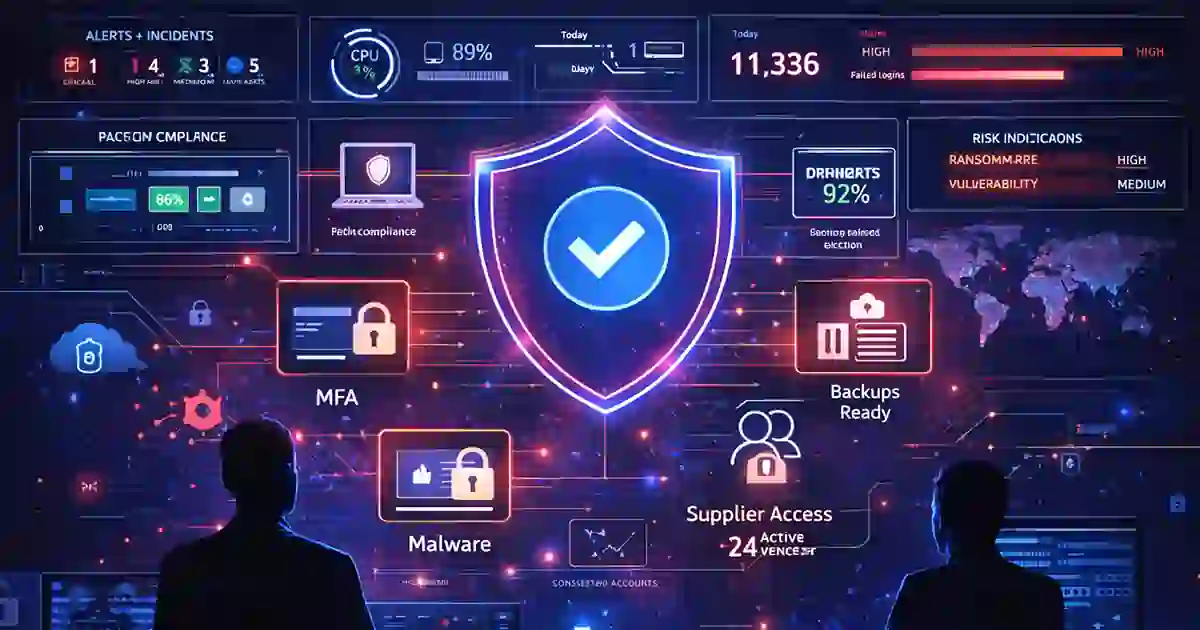
The clearest answer to why cybersecurity is important is simple: modern life runs on digital systems, and weak security creates real personal, financial, and operational harm. Cybersecurity protects privacy, supports business continuity, reduces disruption, and helps essential services remain trustworthy.
That is why cybersecurity is important not only for security teams, but for everyone who uses digital services, stores information online, or depends on connected systems to work and communicate.
References
Use plain clickable editorial links to trusted sources: